
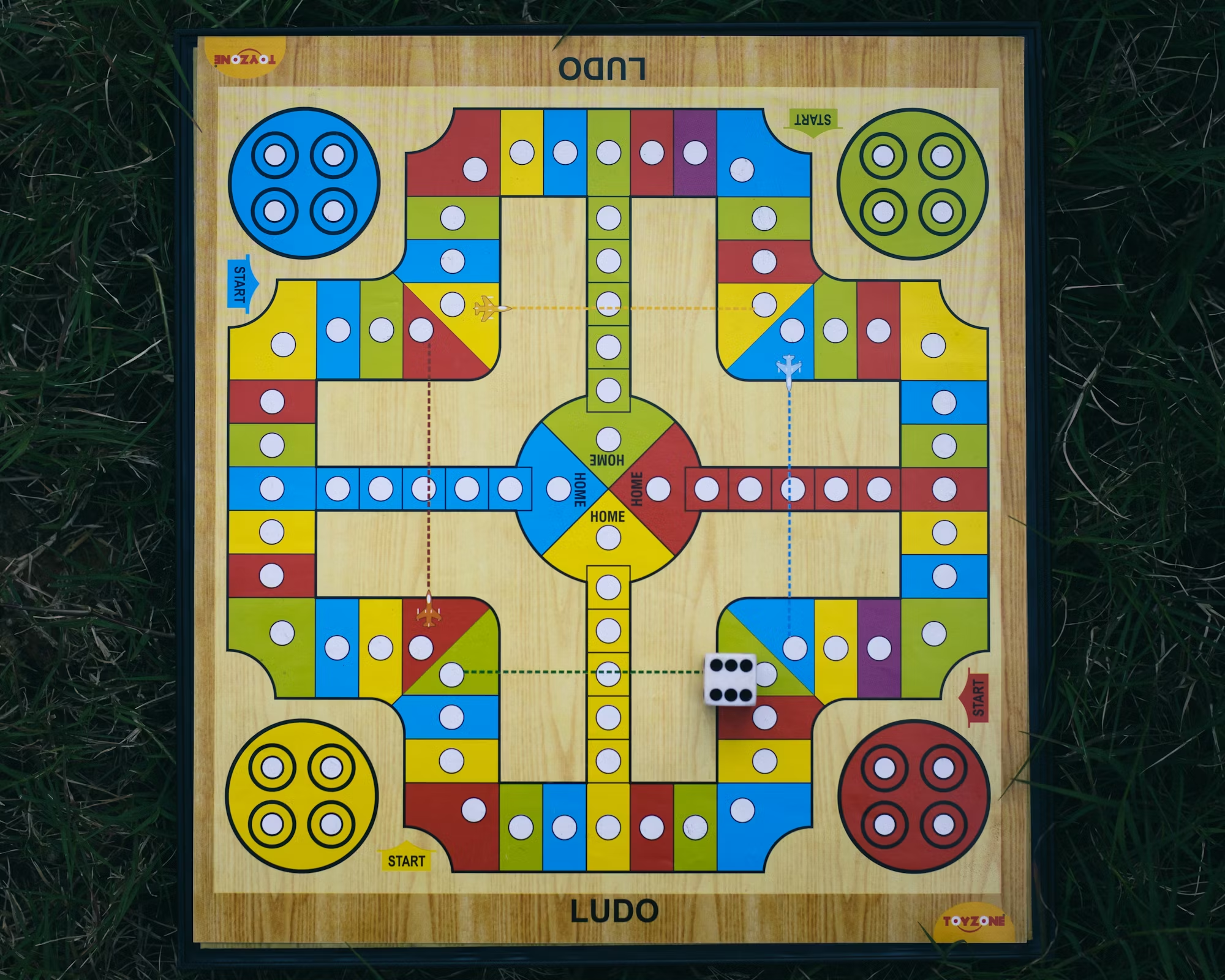
The Evolution of Games: From Traditional Play to Digital Realms
This article explores the transformation of games from traditional formats like board and card games
This article explores the transformation of games from traditional formats like board and card games

This article explores the rise of esports, examining its growth, cultural impact, and the future of

The gaming industry is in a constant state of evolution, shaped by technological advancements, changing player expectations, and emerging trends. As gaming continues to attract a diverse and passionate audience, understanding the future landscape becomes essential for both developers and players alike. This article explores the current trends and innovations that are poised to shape the future of gaming, highlighting the intersection of technology, community engagement, and evolving gameplay experiences. One of the most significant trends in gaming is the integration of advanced technologies that enhance the overall experience. Virtual reality (VR) and augmented reality (AR) have begun to redefine how players interact with games. VR systems like the Oculus Quest and PlayStation VR allow players to immerse themselves in fantastical worlds, providing an unprecedented level of engagement. Meanwhile, AR games such as ‘Pokémon GO’ have demonstrated how technology can blend the virtual and real worlds, encouraging players to explore their surroundings in new ways. This technology not only enhances gameplay but also fosters a sense of community as players gather in shared spaces to experience these virtual adventures together. Cloud gaming is another exciting development that has gained traction in recent years. Platforms like Google Stadia and NVIDIA GeForce NOW allow players to stream games directly to their devices without the need for high-end hardware. This accessibility democratizes gaming, making it easier for players to enjoy a vast library of titles regardless of their setup. As internet speeds improve and latency decreases, cloud gaming has the potential to become a dominant force in the industry, offering convenience and flexibility for gamers on the go. As the gaming community continues to expand, player engagement and community building have become crucial aspects of the gaming experience. Online multiplayer games like ‘Fortnite’ and ‘Apex Legends’ emphasize social interaction, encouraging players to team up with friends or connect with new players around the world. This shift towards community-oriented gameplay has led to the rise of online platforms where players can share experiences, strategies, and creative content. The emergence of social gaming features has turned gaming into a shared social experience, where players can collaborate, compete, and celebrate their achievements together. In addition to multiplayer experiences, the role of storytelling in gaming has evolved significantly. Modern games increasingly prioritize narrative depth, with titles like ‘The Last of Us Part II’ and ‘God of War’ receiving acclaim for their engaging plots and character development. Players are not just passive participants; they become emotionally invested in the stories, driving demand for rich narratives that resonate on a personal level. As a result, developers are placing a greater emphasis on crafting intricate plots, allowing players to explore complex themes and make meaningful choices that impact the outcome of the story. The rise of indie gaming has also contributed to the diversity of storytelling in the industry. Independent developers often take creative risks, experimenting with innovative gameplay mechanics and narrative structures. Games like ‘Hollow Knight’ and ‘Celeste’ showcase how smaller studios can produce captivating experiences that challenge conventional norms. This creative freedom fosters an environment where unique voices can flourish, leading to a broader spectrum of gaming experiences that appeal to a wide range of players. Another trend reshaping the gaming landscape is the increasing focus on inclusivity and representation. Developers are making concerted efforts to create games that reflect diverse perspectives and experiences. This includes featuring characters from various backgrounds, exploring different cultures, and tackling social issues within gameplay narratives. Titles such as ‘Life is Strange’ and ‘Spiritfarer’ address important themes like mental health and loss, fostering understanding and empathy among players. This shift not only enriches storytelling but also ensures that gaming remains an inclusive space for all players. The integration of artificial intelligence (AI) in gaming is another area with vast potential. AI can enhance gameplay by creating more realistic NPC behavior, adapting challenges to players’ skill levels, and even personalizing narratives based on player choices. Games like ‘The Elder Scrolls V: Skyrim’ and ‘Red Dead Redemption 2’ have already implemented sophisticated AI systems that contribute to immersive worlds. As AI technology continues to advance, players can expect even more dynamic and responsive gaming experiences. Esports, once a niche segment of gaming, has surged into the mainstream, attracting millions of viewers and professional players. Major tournaments for games like ‘League of Legends’ and ‘Dota 2’ offer substantial prize pools and sponsorships, transforming competitive gaming into a spectator sport. This growth has created a thriving ecosystem, complete with dedicated teams, coaching staff, and fan engagement initiatives. As esports continue to gain popularity, the lines between traditional sports and gaming will blur, paving the way for new opportunities and collaborations. The rise of streaming platforms like Twitch and YouTube Gaming has revolutionized how gamers interact with one another and engage with content creators. Live streaming allows players to share their experiences in real-time, fostering a sense of connection and community. Viewers can watch their favorite gamers, learn new strategies, and even interact through chat features. This shift has not only given rise to gaming celebrities but has also created a new form of entertainment that celebrates gaming culture. As the industry continues to grow, the importance of ethical considerations in gaming is gaining attention. Discussions surrounding loot boxes, microtransactions, and player data privacy are increasingly relevant as developers seek to monetize their games. Striking a balance between profitability and player satisfaction is crucial for maintaining a healthy gaming ecosystem. Developers and publishers must navigate these challenges thoughtfully, ensuring that players feel valued and respected in their gaming experiences. In conclusion, the future of gaming is bright, filled with innovation and creativity that will continue to shape the industry for years to come. As technology advances and player expectations evolve, the gaming landscape will transform, offering diverse experiences that cater to a wide range of interests. From the rise of cloud gaming and VR to the emphasis on storytelling and community engagement, the possibilities are endless. As players, we can look forward to an exciting era of gaming where imagination and technology intertwine to create extraordinary experiences.

This article explores the history, types, and cultural impact of puzzle games, highlighting their po

This article dives into the rich history and evolution of board games, examining their cultural sign

Card games have been an integral part of human culture for centuries, captivating players with their blend of strategy, chance, and social interaction. From classic games like Poker and Bridge to modern favorites such as Cards Against Humanity and Uno, the versatility of card games has ensured their place in both casual gatherings and competitive tournaments. This article delves into the history of card games, their cultural significance, and their enduring popularity in today’s society. The origins of card games can be traced back to 9th century China, where the earliest known playing cards were created. These early cards were made from paper and featured intricate designs, serving not only as a form of entertainment but also as a medium for socialization and cultural exchange. As card games spread across Asia, they evolved in design and structure, eventually making their way to Europe in the late 14th century. The introduction of cards to Europe sparked a wave of innovation, leading to the development of familiar suits and ranks. Games like Tarocchi in Italy and the French-suited cards laid the foundation for many modern card games. The 17th and 18th centuries saw the rise of popular games such as Whist and Poker, which would go on to become staples in social gatherings and gambling establishments. As society evolved, so did card games. The 20th century introduced a new era of card gaming, with the emergence of games that emphasized creativity and humor. Uno, created in 1971, became a family favorite, appealing to players of all ages with its simple rules and engaging gameplay. Similarly, Cards Against Humanity, released in 2011, brought a contemporary twist to card gaming, focusing on humor and social commentary. These modern games highlight how card games have adapted to reflect cultural shifts, providing players with new ways to engage and connect. One of the most significant aspects of card games is their ability to foster social interaction. Whether played in person or online, card games create opportunities for players to bond, strategize, and communicate. They serve as a backdrop for storytelling and shared experiences, often leading to laughter, competition, and camaraderie. The simplicity of many card games makes them accessible to a wide audience, inviting players of different ages and backgrounds to participate. Additionally, card games have been shown to enhance cognitive skills. Strategic games like Bridge and Poker require players to think critically, assess risks, and make decisions based on incomplete information. This level of engagement can improve problem-solving abilities and enhance memory skills, making card games not only enjoyable but also beneficial for mental agility. Moreover, card games often require players to engage in social negotiation and communication. Players must read their opponents, gauge reactions, and adapt their strategies accordingly, fostering valuable interpersonal skills that extend beyond the game. The rise of digital platforms has also transformed the way card games are played. Online gaming sites and mobile applications have made it easier for players to connect, regardless of geographical barriers. Platforms like Tabletop Simulator and various card game apps allow enthusiasts to enjoy their favorite games from the comfort of their homes, ensuring that the joy of card gaming remains accessible. However, while digital card games have their advantages, many players still cherish the traditional face-to-face experience. The tactile nature of holding cards, the atmosphere of friendly competition, and the shared laughter that accompanies in-person games create a unique experience that digital formats can struggle to replicate. As we look to the future, several trends are emerging in the world of card games. One notable trend is the increasing emphasis on inclusivity and diversity in game design. Creators are striving to develop games that represent a wider range of cultures, identities, and experiences. This shift not only enriches the gaming experience but also allows more players to see themselves reflected in the games they play. Furthermore, the resurgence of tabletop gaming has encouraged the development of hybrid games that blend card mechanics with other gameplay styles. These innovative designs challenge traditional notions of card games, incorporating elements from board games, role-playing games, and even video games. This experimentation fosters creativity and keeps the medium fresh and exciting for players. Another trend is the focus on sustainability within the card game industry. Many designers and publishers are becoming more environmentally conscious, opting for eco-friendly materials and practices in their production processes. This commitment to sustainability resonates with consumers who prioritize environmentally friendly choices, ensuring that card gaming can thrive in a responsible manner. In conclusion, card games hold a special place in our culture, offering a unique blend of strategy, social interaction, and creativity. From their ancient origins to the diverse landscape of modern games, card games have evolved to meet the needs of players while fostering connections and cognitive development. As the genre continues to grow and adapt, the future of card gaming promises to be as vibrant and engaging as the stories it tells.

This article examines the rapid evolution of mobile gaming over the past decade, highlighting key tr

This article examines the cultural significance of various games, highlighting how they connect peop

Sound design is a crucial but often underappreciated aspect of video game development. While graphics and gameplay mechanics frequently take center stage, the audio elements of a game play an equally significant role in creating immersive experiences. From the subtle ambient sounds that set the atmosphere to the dramatic score that accompanies pivotal moments, sound design enhances not only the gameplay but also the emotional journey of the player.
At its core, sound design in video games serves to immerse players in the game world. The right sound effects can make a significant difference in how players perceive their environment. For example, the rustling of leaves in a forest, the distant roar of a dragon, or the clattering of footsteps can bring a game world to life, making it feel dynamic and responsive. Designers carefully craft these audio elements to create a sense of realism and presence, allowing players to feel as though they are truly part of the game.
One of the most powerful tools in a sound designer’s arsenal is music. The score of a game can evoke a wide range of emotions, guiding players through the narrative arc and enhancing their connection to the characters and events. In titles like “The Legend of Zelda: Breath of the Wild,” the music seamlessly integrates with gameplay, reinforcing moments of triumph, exploration, or introspection. A well-composed score can elevate a game’s emotional impact, making memorable moments even more resonant.
Moreover, sound design can influence player behavior and decision-making. In stealth games, for example, the sound of a character’s footsteps can determine whether a player is detected by enemies. Subtle audio cues, such as the sound of a door creaking or a distant conversation, can alert players to potential dangers or opportunities. By manipulating sound, designers can create tension and excitement, prompting players to think strategically about their actions.
The importance of sound design extends beyond individual games; it also shapes the broader gaming culture. As players engage with games, they often develop a keen awareness of audio cues and themes. Iconic soundtracks, such as those from the “Final Fantasy” series or “Halo,” become synonymous with the games themselves, further solidifying their place in gaming history. These auditory signatures contribute to the identity of a franchise, fostering a sense of nostalgia and connection among players.
Furthermore, advancements in technology have allowed for more complex soundscapes in video games. Techniques like 3D audio and binaural sound create spatial awareness, enabling players to locate sounds within the game world more accurately. This level of immersion is particularly beneficial in virtual reality (VR) environments, where audio can significantly enhance the sense of presence. In VR games, sounds can come from various directions, making the experience more lifelike and engaging.
Collaboration between sound designers and other members of the development team is essential for creating a cohesive audio experience. A successful game relies on the synergy between sound, visuals, and gameplay mechanics. Designers must communicate effectively with artists and programmers to ensure that audio elements complement the game’s aesthetic and narrative. This collaborative approach fosters creativity, resulting in a more polished final product that resonates with players.
Moreover, player feedback is invaluable in the sound design process. Many developers conduct playtests to gather insights into how players respond to audio elements. This feedback loop allows designers to make necessary adjustments, refining soundscapes to enhance immersion and emotional engagement. Understanding player preferences helps shape future projects, leading to more resonant and impactful audio experiences.
As the gaming industry continues to evolve, the role of sound design is becoming increasingly prominent. Indie developers, in particular, are exploring innovative ways to use audio to enhance gameplay and storytelling. Titles like “Celeste” and “Undertale” have demonstrated that compelling sound design can elevate games without relying on high budgets. These examples highlight the creativity and resourcefulness of developers who understand the power of sound in shaping player experiences.
In addition to traditional sound design, the rise of interactive audio has opened new avenues for creativity. Dynamic music systems that adapt to player actions and choices can create a more personalized experience. For instance, in games like “Journey,” the music evolves based on the player’s movements and interactions, creating a unique auditory journey for each player. This level of interactivity fosters deeper connections between players and the game, making each playthrough feel distinct and special.
As we look to the future of gaming, the importance of sound design will only grow. As technology advances, we can expect even more innovative uses of audio, from enhanced realism to interactive soundscapes. With the rise of virtual reality and augmented reality, the possibilities for sound design are expanding, offering new ways to immerse players in captivating worlds.
In conclusion, sound design is a vital component of video game development that significantly impacts player immersion and emotional engagement. By carefully crafting audio elements, developers create experiences that resonate with players, enhancing the overall enjoyment of the game. As technology continues to evolve, the role of sound in gaming will only become more critical, shaping the future of how we experience and connect with interactive narratives. With its ability to evoke emotions and create unforgettable moments, sound design is truly an art form that enriches the world of gaming.

This article explores the transformation of games from traditional formats like board and card games